
The Death of the Screening Call: How AI is Automating First-Round Interviews
Introduction: The Evolution of the Screening Interview
The interview process has long been seen as a critical juncture in talent acquisition, essential yet fraught with inefficiencies. Traditional screening interviews, often the entry point for assessing candidate suitability, present both logistical and qualitative challenges. For decades, HR teams have juggled with scheduling conflicts, inconsistent interviewer assessments, and the sheer volume of applications, which together create bottlenecks in the hiring process.
Typically, a human resource specialist is tasked with sifting through a mountain of resumes to identify candidates who appear to meet the basic qualifications. Following this, the initial screening interview aims to further narrow down these candidates by assessing rudimentary skills and cultural fit. However, human biases can seep into the evaluation process, leading to suboptimal hiring decisions. For instance, an interviewer might prioritize a candidate's charisma over analytical prowess, or unwittingly allow subconscious biases to color their judgment.
Moreover, the traditional approach struggles with scalability. A surge in applications—a common occurrence given the global nature of modern recruitment—can overwhelm staffing resources, delay timelines, and ultimately impact the quality of hires. The repetitive nature of screening interviews can also lead to interviewer fatigue, further compromising the consistency and reliability of candidate assessments.
Enter AI Interview Automation: a transformative solution designed to optimize the screening process and alleviate these perennial challenges. Leveraging sophisticated algorithms, AI-driven platforms can efficiently parse thousands of applications, identifying candidates who best match the predefined criteria with unprecedented speed and accuracy. With natural language processing capabilities, AI can conduct initial interviews, asking nuanced questions that probe both technical skills and cultural fit without bias or error, and thus standardizing assessments across the board.
Consider a hypothetical scenario: a tech company anticipating a new product launch requires a rapid expansion of their development team. By employing AI Interview Automation, the HR team is not only able to manage high volumes of applications but also ensure that each candidate is evaluated through a consistent, unbiased lens. The integration of AI in this process allows human recruiters to focus on more strategic activities, such as designing onboarding processes that enhance employee experience, while AI handles the preliminary vetting with speed and precision.
In essence, AI Interview Automation does not replace human intuition and experience; rather, it amplifies them. By streamlining the more error-prone and time-consuming aspects of screening, AI enables HR professionals to allocate resources more effectively, ultimately creating a more efficient and equitable hiring process.
Traditional Screening Methods and Their Shortcomings
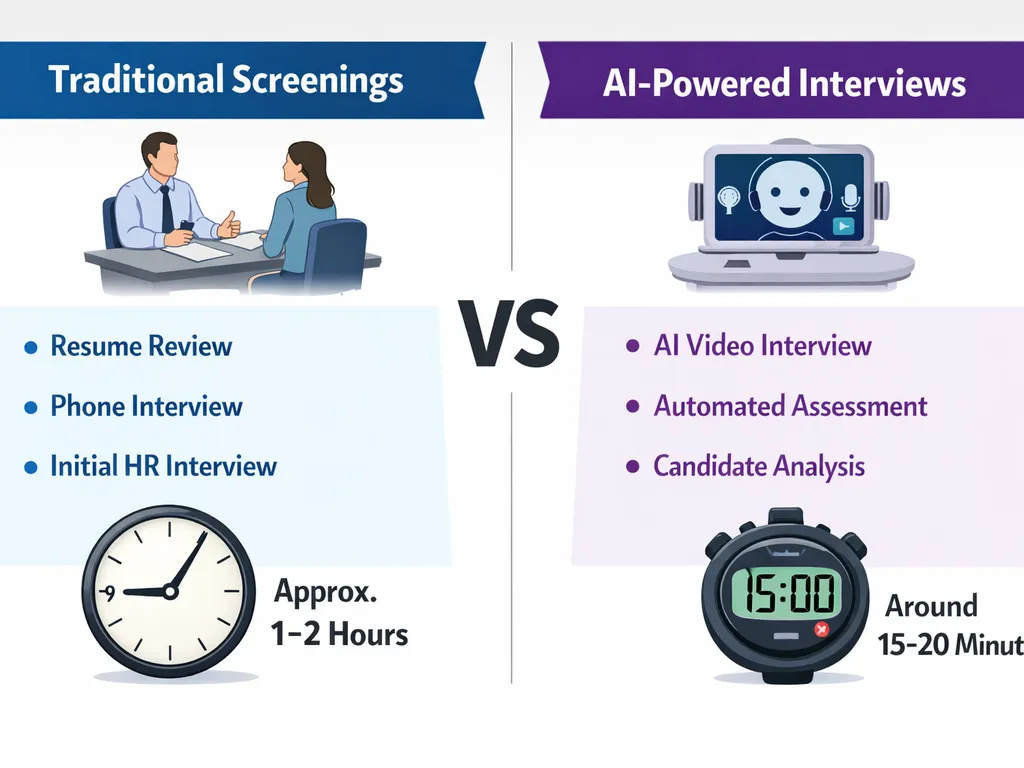
Traditional screening methods, for all their historical significance, are often weighed down by several intrinsic limitations. Consider the human effort involved: labor-intensive, time-consuming, and inherently subjective, manual screening calls present significant challenges to recruiters and HR professionals alike. They necessitate a considerable investment of time to evaluate each applicant, often forcing talented HR teams to prioritize urgency over thoroughness.
One of the primary shortcomings of manual screening is the sheer inconsistency it can introduce into the hiring process. Even seasoned interviewers, burdened with pressure and high volume, may unintentionally exhibit bias or allow subjective interpretations to color their evaluations. Despite best efforts to standardize questions and evaluation criteria, individual perceptions inevitably influence decisions, leading to significant variability in candidate assessments.
Let's consider a scenario: a hiring manager sifting through hundreds of resumes for a highly technical role, each call potentially lasting 15 minutes or more. Multiply this across dozens of positions, and soon, hours evolve into weeks. The opportunity cost is staggering, diverting attention from strategic initiatives that could drive a company's growth. Not to mention the potential for skilled candidates—who represent a competitive advantage—to slip through the cracks, unnoticed or undervalued because a fatigued interviewer didn't glean the right insight from a hurried conversation.
Scheduling hassles further complicate the traditional approach. Coordinating availability across time zones, staff timetables, and the candidates' busy lives creates a labyrinthine scheduling challenge. No-shows, rescheduled calls, and delayed feedback loops contribute to a longer time-to-hire and increased frustration for all parties involved.
Despite attempts at rigorous training and standardized scripts, human error remains a persistent factor. This is where leveraging AI Interview Automation can offer transformational benefits. Automated systems can ensure that each candidate is assessed without the fatigue factor or mood influences inherent in humans. Importantly, by integrating AI into the screening process, businesses can maintain consistency while ensuring a more equitable and inclusive hiring process.
Ultimately, in recognizing the limitations of traditional methods—including time consumption, inconsistency, and scheduling difficulties—organizations can better appreciate how AI Interview Automation offers not only a modern solution but a path towards a more efficient and objective recruitment strategy.
Introduction to AI Interview Automation
AI Interview Automation represents a transformative leap in the recruitment process, revolutionizing how organizations identify and engage with talent. As industries continually strive to optimize efficiency and accuracy in their hiring workflows, AI-driven tools are increasingly being recognized for their remarkable potential. The core premise of AI Interview Automation is not just to streamline the time-consuming facets of recruitment but to enhance the qualitative depth of candidate evaluation through sophisticated technology.
At its essence, AI Interview Automation employs advanced algorithms to create a seamless interview experience, both for candidates and recruiters. These systems are designed to intelligently analyze responses, gauge candidate competencies, and even predict potential fit within the organization. The fundamental features typically include natural language processing to interpret and assess verbal or written responses, machine learning to refine evaluation criteria based on historical data, and advanced reporting analytics to provide comprehensive insights.
Consider a scenario where a multinational corporation needs to fill diverse roles across different regions. Traditionally, this would require coordinators managing countless schedules, lengthy interview processes, and potentially subjective assessments. AI Interview Automation, however, can autonomously handle initial screenings, freeing up recruiters to focus on strategic decision-making rather than logistical details. By offering standardized assessments, these systems mitigate human biases and provide a more consistent and fair evaluation landscape.
Industry best practices emphasize the symbiotic relationship between AI tools and human intuition. While AI excels at processing vast datasets and identifying patterns, it is the insights derived from human experience that ultimately inform final hiring decisions. The strategic integration of AI Interview Automation enhances recruiter capabilities, enabling them to draw upon rich, data-driven perspectives without being bogged down by repetitive tasks.
Moreover, AI-driven platforms can adapt dynamically to organization-specific priorities, whether it’s pinpointing technical skills, assessing cultural alignment, or examining problem-solving abilities. Through adaptive learning mechanisms, these systems continually evolve, ensuring that the recruitment process remains aligned with the ever-changing demands of the business landscape. This flexibility not only accelerates hiring timelines but also elevates the overall quality of hires, fostering long-term organizational success.
How AI is Transforming the Recruitment Process
AI Interview Automation is revolutionizing the recruitment landscape by drastically enhancing both efficiency and accuracy in the initial stages of hiring. Gone are the days when recruitment teams were bogged down by mountains of resumes and labor-intensive screening processes. Today, AI tools are seamlessly integrated into systems, streamlining operations in ways that maximize precision and minimize human error.
The traditional recruitment process often involved recruiters manually sifting through hundreds, if not thousands, of resumes. This method not only consumed significant amounts of time but also left room for unconscious bias and oversight, leading to potentially qualified candidates being overlooked. AI Interview Automation shifts this paradigm by utilizing machine learning algorithms to efficiently scan and evaluate resumes based on predefined criteria tailored to each role. This ensures that only the most fitting candidates proceed to further stages, reducing the workload on human resource professionals.
Consider a scenario where a company is hiring for a highly specialized engineering position. With AI-driven tools, recruiters can configure the system to prioritize specific skill sets, certification requirements, and relevant experiences. The AI reviews applications with these benchmarks, instantly creating a shortlist of top-tier candidates who match the job profile closely. This targeted approach not only speeds up the process but significantly boosts the quality of hires by focusing on objective qualifications rather than subjective impressions.
Moreover, AI interview automation brings unparalleled accuracy into the preliminary assessment of candidates. By utilizing natural language processing, these systems can evaluate candidates' responses in digital pre-screening interviews for language proficiency, sentiment, and even cultural fit. This deep dive into the qualitative aspects of a candidate’s profile provides nuanced insights that were traditionally hard to gauge in early-stage interviews.
Beyond efficiency, the ethical implications of AI Interview Automation are profound. Automated systems can be programmed to ignore characteristics such as age, gender, or ethnicity, thereby fostering a more diverse and inclusive candidate pool. By eliminating bias at the foundation, AI-powered recruitment can lead to more equitable hiring practices, which are increasingly becoming a priority in modern organizations worldwide.
- AI-driven resume parsing - filters resumes based on customized job criteria.
- Natural Language Processing (NLP) - analyzes candidate's language use and cultural fit.
- Bias reduction - systems programmed to disregard non-job-related personal characteristics.
- Enhanced candidate experience - AI provides timely communications and updates.
Time-Saving Benefits for HR Teams
The adoption of AI Interview Automation presents a fundamental shift for HR departments, redirecting valuable time and resources from monotonous tasks to more strategic initiatives. Traditional screening processes often involve HR professionals painstakingly sifting through countless resumes and conducting initial interviews—a process that not only consumes time but also stifles the potential for strategic initiatives. With AI Interview Automation, this paradigm is changing significantly.
Consider a hypothetical scenario of a mid-sized tech company hiring for a highly sought-after software engineering position. With potentially hundreds of applicants, HR teams could easily find their attention monopolized by the initial screening tasks. By leveraging AI Interview Automation, preliminary interviews can be conducted efficiently by the system, filtering candidates based on predefined criteria and competencies. This automated process systematically narrows down the pool to the most promising candidates, allowing human resources personnel to focus on personalized engagement and in-depth evaluation of qualified candidates.
Industry best practices highlight the significant reduction in lead time when adopting AI-driven initial interviews. On average, a recruiter may spend upward of 23 hours per hire on screening and interviewing, according to global HR studies. By automating these preliminary tasks, teams can reduce this time by over 50%, regaining hours previously dedicated to administrative duties. This reclaimed time can subsequently be invested in activities that enhance the overall employee experience, such as cultivating workplace culture or optimizing training programs.
Moreover, AI systems bring an additional level of objectivity and consistency into the initial screening process. By utilizing algorithms designed to assess key skills and cultural fit without human bias, HR teams are handed a list of candidates that match the company's ideal profile. This ensures a fairer, more efficient initial screening process and reduces the risk of oversight during evaluation.
In summary, the implementation of AI Interview Automation transforms the role of HR professionals from administrative executioners to strategic leaders. It offers them the opportunity to engage more deeply with candidates during the later stages of recruitment, focus on developing talent, and contribute more effectively to organizational growth. Consequently, it is not just a tool for efficiency—it's an enabler of enterprise-wide progress.
Enhancing Objectivity and Reducing Bias
Interviewing is an art form that balances intuition and structured analysis. However, inherent in this blend is the potential for human bias, a largely subconscious force that can skew perceptions and outcomes. AI interview automation steps in as a transformative force, promising enhanced objectivity and an egalitarian approach to hiring processes. By leveraging sophisticated algorithms and data-driven insights, AI platforms assist organizations in combating bias systematically.
Let’s explore a typical scenario: Consider a recruiter subconsciously favoring candidates who share similar academic backgrounds to their own. This bias, albeit unintentional, could result in a homogenous team lacking diversity in thought and experience. AI interview automation, however, evaluates candidates based on pre-defined metrics that are aligned strictly with job requirements, thus mitigating the impact of personal predispositions. These systems assess candidates on measurable competencies and behaviors, bypassing characteristics that should not influence hiring decisions.
One of the cornerstones of AI interview automation's objectivity is its capacity to maintain uniform assessment conditions. Every candidate is evaluated consistently through standardized questions and scoring rubrics that AI systems enforce. This uniformity ensures that no candidate is disadvantaged or unfairly favored based on variables unrelated to their qualifications or performance potential.
AI interview platforms also incorporate real-time data analysis, which offers instant feedback and analytics free from emotional influences. These insights are critical for identifying and eradicating unconscious biases that slip into traditional interview settings. Machine learning models learn from vast datasets, which can include hundreds of past interview outcomes to help continuously refine and balance their assessments. As a result, AI interview automation promises a more calibrated and equitable evaluation process.
Best practices within the industry advocate for the incorporation of AI as a supplemental tool rather than a replacement for human judgment. This approach harnesses the strengths of both AI-driven analytics and human intuition. Expert teams design AI models to reinforce ethical standards, modifying algorithms as societal understandings of bias evolve.
- AI can analyze voice patterns and facial expressions free from emotional baggage.
- Algorithms prioritize questions that correlate with successful job competence.
- Data-driven metrics allow for benchmarking against industry standards.
- Continuous algorithm adjustments reflect changes in societal norms and expectations.
In the grand tapestry of recruitment, AI interview automation emerges as a crucial thread that enhances objectivity and diminishes the effects of human bias. As industries push forward, integrating these tools with human oversight will build more inclusive, diverse, and innovative workplaces.
Improving Candidate Experience with AI
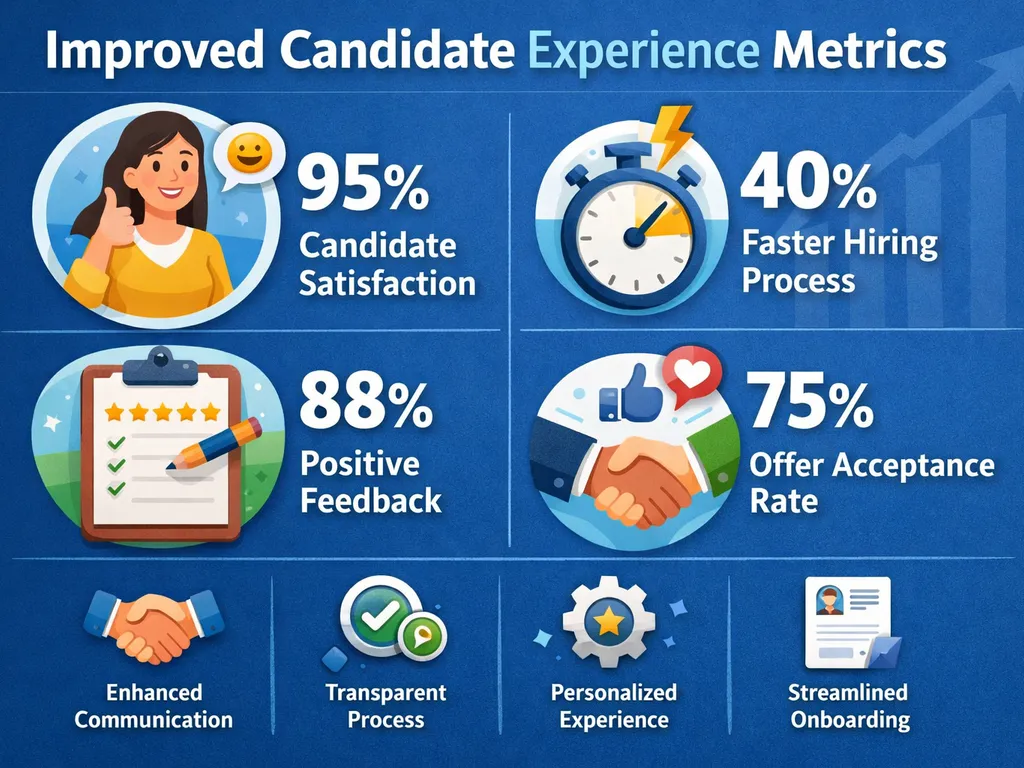
The integration of AI Interview Automation into recruitment processes represents a paradigm shift in how we perceive and structure candidate experiences. In an environment where first impressions matter immensely, the traditional hiring process has long been marred by inefficiencies that can leave candidates feeling undervalued. Often, candidates are subjected to delayed responses or inconsistent communication, which can sour the recruitment experience and potentially dissuade top talent. Enter AI Interview Automation—an innovation that promises to rewrite these narratives by enhancing the candidate experience in several significant ways.
First and foremost, AI Interview Automation offers unparalleled personalization at scale. Advanced algorithms can analyze a candidate's resume, social media footprints, and even video interviews to develop a holistic understanding of their unique skills and potential cultural fit. This data-driven insight not only aids employers in finding the right candidate but also allows for customized engagement strategies that make candidates feel individually recognized and valued.
Consider the scenario of a candidate applying for a specialized software engineering position. With AI Interview Automation, they might receive targeted feedback and resources following an AI-generated initial screening. This personalized content could cover everything from interview preparation tips tailored to the company's core values to suggested timelines for skill development to align better with the role’s requirements. Such personalized communication can foster a sense of belonging even before a candidate officially joins the organization, significantly improving early engagement and interest.
Beyond personalization, AI systems can streamline the scheduling process, removing one of the candidates' most common pain points: the back-and-forth emails and calendar shuffling. Automated systems can facilitate instant scheduling based on real-time availability, reducing the waiting period to mere minutes and allowing candidates to focus on preparing for meaningful interviews rather than logistical headaches.
Moreover, AI Interview Automation helps to democratize the recruitment process, minimizing unconscious bias. By standardizing preliminary screenings and leveraging AI trained on a diverse dataset, organizations can ensure a more equitable platform for assessing all candidates. This not only enhances the fairness of the process but also cultivates trust among applicants, who are ever more conscious of the need for fair and inclusive hiring practices.
- Enhanced personalization and feedback for candidates
- Effortless scheduling and logistical alignment
- Reduction of unconscious bias and increased fairness
AI Interview Automation represents more than just a tool for efficiency; it’s a transformational change agent that can enhance the candidate experience comprehensively. By attending to individual needs, reducing friction in the process, and leveling the playing field, it creates a recruitment environment where candidates feel valued and empowered to showcase their true potential.
Eliminating Scheduling Conflicts
Navigating interview processes traditionally has been akin to orchestrating a symphony; every participant needs to be perfectly in tune with time slots and availability. Historically, both recruiters and candidates have often found themselves entangled in the web of scheduling conflicts, which not only frustrates but significantly delays the recruitment timeline.
AI Interview Automation, however, has revolutionized this scenario. By integrating cutting-edge AI capabilities, this technology permits candidates to engage in interviews at their preferred times, thus alleviating the perennial bottleneck of scheduling conflicts. At the heart of this evolution is the advent of asynchronous video interviews, allowing candidates to respond to pre-set questions at their convenience. This flexibility removes the constraints of traditional office hours, opening up a universe where time zones matter significantly less and geographical barriers dissolve.
Consider a multinational corporation seeking to fill a high-caliber position. Candidates from diverse backgrounds across the globe aspire to seize this opportunity. For each, carving out matching time slots with busy recruiters can turn into a prolonged dance, elongating the hiring process and sometimes leading to candidate drop-offs due to scheduling frustrations.
By utilizing AI Interview Automation, the process transforms. The system enables candidates to record their interviews asynchronously, answering curated questions prepared by hiring teams. This not only respects the candidate's time but also streamlines the interview sequence, reducing administrative overheads on the recruiter’s end.
Moreover, AI Interview Automation platforms often come equipped with intelligent scheduling tools. These tools are adept at constantly monitoring and updating interview slots based on real-time availability, sending automated reminders to participants, and syncing seamlessly with existing calendar systems. This dynamic scheduling not only optimizes recruiter time but enhances candidate experience, ensuring a smooth, stress-free interaction.
- Enable asynchronous video interviews that empower candidates to respond on their timeline.
- Integrate intelligent scheduling tools for real-time calendar synchronization.
- Automate reminders to keep all stakeholders informed and prepared.
- Streamline the process to reduce administrative overhead and enhance candidate satisfaction.
The implications of eliminating scheduling conflicts using AI Interview Automation extend beyond mere logistics; they shift the paradigm of candidate engagement and recruiter efficiency. By fostering a frictionless experience, organizations not only tackle logistical challenges but also position themselves as forward-thinking leaders in candidate experience—a factor increasingly influential in attracting top-tier talent.
Providing Consistent and Fair Assessment
Harnessing AI for interview automation requires an intrinsic understanding of its potential to bolster fairness and consistency. At its core, AI Interview Automation addresses the human propensity for unconscious bias, ensuring candidates receive a uniform interview experience. It employs meticulously standardized algorithms to evaluate each candidate using the same set of criteria. By doing so, AI facilitates an environment where subjective human factors are minimized, paving the way for a meritocratic assessment of skills and capabilities.
Consider a scenario involving a high-volume hiring process for a client. Here, human interviewers may unwittingly allow their perceptions to color judgments, especially under the pressure of tight deadlines. With AI Interview Automation, each candidate experiences identical questioning sequences, tailored to extract relevant competencies aligned precisely with job requirements. These interview scripts are strategically developed by domain experts to cover all essential aspects, devoid of personal bias.
A cornerstone of AI's efficacy in creating fair assessments lies in its data-driven foundation. Through advanced machine learning techniques, AI systems are trained on vast datasets to identify the most relevant and unbiased evaluative factors. This approach not only ensures consistency but also enables AI to continuously learn and adapt, refining its assessments over time to mirror the evolving professional landscape. Consequently, firms adopting AI Interview Automation witness enhanced reliability in candidate comparisons, as the metrics remain consistent across diverse applicant pools.
- Standardized questioning: Ensures all candidates encounter the same rigor in questioning, maintaining consistency.
- Bias mitigation: AI systematically reduces human-related biases through its neutral algorithms.
- Data-driven evaluations: Relies on comprehensive datasets to inform impartial, accurate assessments.
- Scalable precision: Supports large-scale hiring while upholding the same evaluative standards for everyone.
Furthermore, AI's role transcends mere consistency—it provides feedback and insights that are pivotal for candidates and employers alike. Detailed performance analytics delivered by AI Interview Automation can illuminate areas for improvement without the introspective bias of human assessors. Companies utilizing these insights can tailor their talent development programs and better match candidates to roles that suit their innate strengths.
In the competitive and dynamic realm of recruitment, leveraging AI Interview Automation is not merely an adoption of technology—it is a strategic advancement towards equitable hiring practices. By championing fairness and consistency, AI redefines the landscape of interviews to benefit organizations and job seekers alike, ensuring that talent assessment remains a balanced and data-driven endeavor.
Technological Backbone of AI Interview Automation
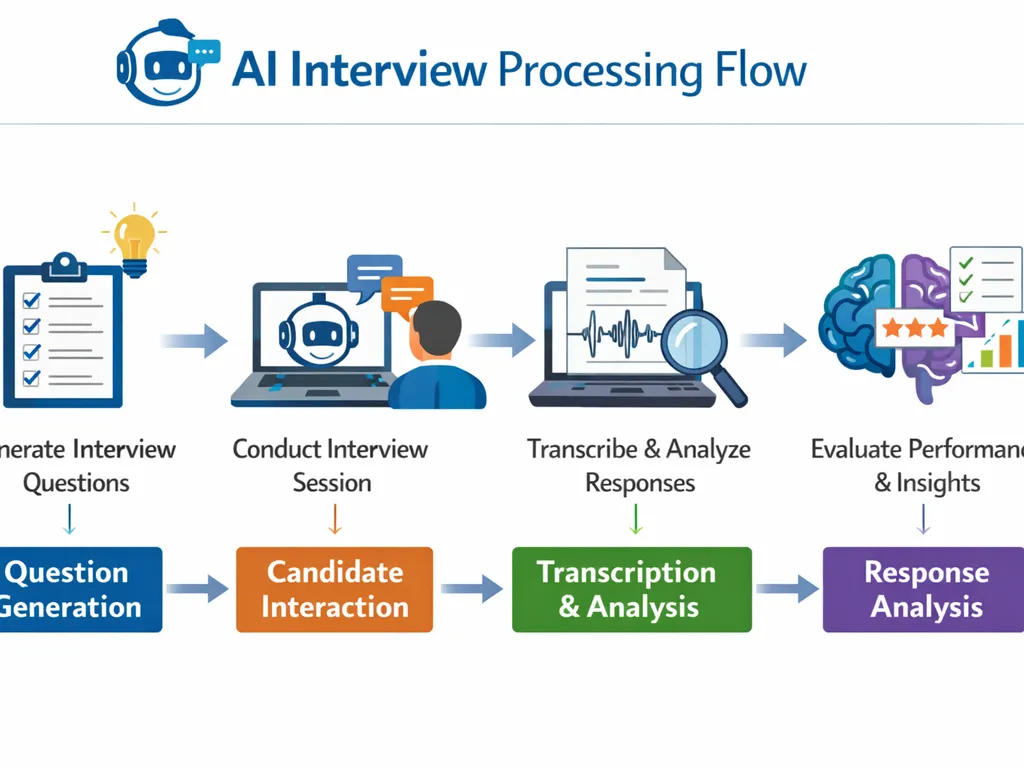
At the heart of AI interview automation lies a sophisticated ensemble of algorithms, data structures, and computational intelligence. This technological backbone is what enables platforms like 'Interviewer Screener' to seamlessly evaluate countless candidates with precision and efficiency. Unlike manual interviews, AI-driven systems are designed to eliminate biases, enhance scalability, and improve the overall reliability of the hiring process.
One of the fundamental components in this ecosystem is Natural Language Processing (NLP). NLP's ability to understand, interpret, and generate human language is what empowers AI platforms to interact meaningfully with candidates. By deploying NLP techniques, AI systems can analyze the nuances of spoken or written language, discern sentiment, and even detect linguistic patterns that could indicate a candidate's proficiency or cultural fit.
Beyond language processing, Machine Learning (ML) models are pivotal in AI interview automation. These models are trained on vast datasets of past interviews, which include various parameters such as questions posed, answers given, and outcomes achieved. Through supervised learning, these models can predict candidate success rates, identify attributes of high performers, and tailor questions in real-time to probe further into a candidate’s unique skill set.
- Data Integration and Accessibility: Integrating multiple data sources, such as resumes, performance reviews, and psychometric evaluations, allows for comprehensive candidate profiles.
- Real-time Analytics: Leveraging real-time processing provides immediate insights into candidate responses, making feedback instant and actionable.
- Adaptive Questioning Systems: AI interview platforms use dynamic questionnaires that respond to candidate inputs, creating a more engaging and customized experience.
Security is another pillar of AI interview automation. With cyber threats looming large over digital enterprises, ensuring robust data protection protocols is non-negotiable. Encrypted data transmission and stringent access controls safeguard sensitive information, thus maintaining the integrity and confidentiality of candidate data.
Imagine a scenario where an AI system conducts thousands of interviews concurrently without fatigue or the need for breaks. It evaluates each interview with the same rigor and precision as the last, highlighting how consistency and efficiency are achieved at scale. The underpinning technology isn’t just cutting-edge; it’s transformative, ensuring that organizations can make smarter, data-driven hiring decisions with unparalleled accuracy and speed.
Natural Language Processing (NLP)
Natural Language Processing (NLP) stands at the heart of AI Interview Automation, acting as the bridge between human communication and machine understanding. At its core, NLP allows AI systems to interpret, analyze, and respond to human language in a way that is both meaningful and contextually relevant. In the context of AI-driven interviews, NLP is a critical component for parsing candidate responses, discerning nuances, and evaluating suitability for a role in a holistic manner.
One of the main challenges in automated interviews is comprehending the subtleties of human language, which is often nuanced and context-dependent. NLP tackles this by employing sophisticated algorithms that analyze keywords, emotional tone, and sentence structure to extract meaningful patterns from a candidate's responses. This facilitates a more comprehensive understanding beyond mere word recognition, diving into the intent and sentiment behind the answers.
Consider a hypothetical scenario where a candidate is asked about their experience managing a team under tight deadlines. An advanced NLP system will not only extract the factual content of their response—such as the size of the team, scope of the project, and outcomes—but will also evaluate the language for confidence, adaptability, and stress management cues. For example, the candidate's choice of positive language and proactive planning verbs can indicate resourcefulness, while hesitations or negative expressions might flag potential areas of concern.
Best practices in AI Interview Automation recommend that systems be continually trained on diverse data sets to minimize biases and improve cultural and linguistic adaptability. This is where NLP's real-time language processing capabilities become invaluable. By engaging with a broad array of linguistic inputs from global candidate pools, NLP models can be fine-tuned to better understand cultural nuances and varied communication styles.
Moreover, NLP does not operate in isolation in the AI interview context. It is intertwined with other AI components like machine learning algorithms that provide predictive analytics and pattern recognition capabilities, augmenting the overall evaluation process. Together, they create a robust framework that not only gauges immediate verbal responses but also predicts future performance potential based on communication patterns.
As organizations seek to enhance their recruitment processes through AI Interview Automation, NLP's ability to interpret and assess human communication becomes invaluable. It ensures that the system can make informed judgments that mirror human evaluators in precision and insightfulness, all while processing substantial candidate data in a fraction of the time.
Machine Learning Models
At the heart of AI interview automation lies the strategic deployment of machine learning models that enable continuous improvement in decision-making processes. These models are designed to learn from vast datasets, which include a myriad of historical interview outcomes, candidate profiles, and behavioral patterns. The journey of these models from simple algorithms to sophisticated predictive tools involves a well-orchestrated blend of data science, domain expertise, and iterative refinements.
Machine learning models, especially those leveraging supervised learning techniques, are initially trained on labeled data, where the outcomes of past interviews are known. This foundational step allows the models to discern patterns and correlations between interview responses and subsequent job performance or interview ratings. For instance, by analyzing successful candidate profiles in relation to their responses, the AI can better understand what constitutes an effective response in the context of specific job roles.
However, the real prowess of these models is unlocked through continuous updates and learning. Through a feedback mechanism, the AI system constantly ingests new data from every interaction. This might include nuanced human feedback after an interview, performance data from hired candidates, or even evolving industry standards that redefine what constitutes a 'good' candidate. The system then employs techniques such as reinforcement learning, allowing the model to adjust its parameters dynamically in pursuit of optimizing the decision-making process.
Consider the scenario where a new trend emerges in communication skills for remote work environments. Human interviewers might gradually adapt their assessments over time, but an AI-driven platform like Interviewer Screener can rapidly recalibrate its evaluation criteria based on the latest data. Machine learning algorithms will detect the shift in what types of communication styles correlate with successful remote work performance and adjust its scoring algorithms accordingly.
Furthermore, advanced machine learning models such as neural networks can delve into more complex patterns that were previously undetectable. By integrating natural language processing capabilities, the AI can parse through not only the content of candidate responses but also their tone, sentiment, and even hesitations, adding an extra layer of analysis to the interview process.
In an industry where bias elimination is paramount, ML models implemented on Interviewer Screener are regularly audited and trained to recognize and mitigate biases. This is achieved through diverse training datasets and fairness constraints that ensure equitable evaluations across different demographics. As a result, organizations can expect more consistent and unbiased hiring decisions, elevating the entire recruitment ecosystem.
- Rapid adaptation to industry and role-specific trends.
- Continuous learning from user interactions and feedback.
- Enhanced pattern recognition through advanced algorithms.
- Bias mitigation through extensive model training.
Real-World Applications and Case Studies
AI Interview Automation is not a mere futuristic buzzword; it’s transforming how businesses execute their recruitment strategies today. The integration of AI in automating the initial stages of interviewing has been effectively adopted across various industries, streamlining processes, enhancing candidate experience, and driving data-driven hiring decisions. Let us delve into real-world applications and illuminate how different sectors leverage this cutting-edge technology.
Take, for example, the retail giant Uniqlo. The company faced the daunting task of sifting through thousands of job applications for their entry-level sales positions. By implementing AI Interview Automation, Uniqlo reduced their initial screening time by 75%, enabling their recruitment team to focus on candidates that truly fit their company culture and operational needs. With a tailored AI algorithm designed to assess both verbal responses and emotional cues, the platform not only accelerated the process but also improved the quality of hires, ensuring alignment with the brand’s ethos.
In the fast-paced tech industry, IBM is another exemplar of AI utilization in recruitment. By integrating AI-driven automated interviews, IBM improved the efficiency of initial candidate assessments for technical roles, where the volume is overwhelming, and the skills assessment intricate. The system evaluates candidates on technical skills through scenario-based questions and coding challenges, providing instant, unbiased feedback and significantly reducing human error. For IBM, this has translated to a 60% reduction in time-to-hire and an equally remarkable improvement in candidate satisfaction scores.
Finance and banking companies are also increasingly adopting AI Interview Automation. Major firms like Goldman Sachs are leveraging AI to optimize their recruitment pipeline. By utilizing AI, Goldman Sachs automates the assessment of soft skills and cultural fit, critical metrics in their customer-focused roles. The system analyzes speech patterns and response coherence in recorded video interviews, ensuring a comprehensive evaluation typically requiring multiple rounds. This method not only speeds up the hiring process but also enhances the accuracy of the selection, supporting diversity in hiring by minimizing unconscious bias.
The healthcare sector, with organizations such as Kaiser Permanente, has embraced AI automation to tackle the shortage of healthcare professionals efficiently. By implementing AI-driven assessments, they can quickly identify candidates who meet their stringent clinical and empathic care standards. Automated interview platforms are programmed to evaluate the nuanced skills required in healthcare settings, offering a personalized experience for applicants and ensuring that the selected pool possesses the empathy and competence essential for patient care roles.
- Retail: Uniqlo's reduction in screening time by 75% through AI Interview Automation.
- Tech: IBM's use of AI for instant feedback on technical skills, reducing time-to-hire by 60%.
- Finance: Goldman Sachs' automated assessment of soft skills, enhancing diversity and reducing bias.
- Healthcare: Kaiser Permanente's use of AI to ensure candidates' clinical and empathic standards meet their high care ethics.
Case Study: Tech Sector Implementation
In the bustling nexus of the tech industry, innovation is as vital as oxygen, and hiring the right talent is crucial to sustaining that innovative edge. A prime example of AI interview automation success is seen in the recruitment process of ApexAI, a pioneering software firm specializing in autonomous vehicle technology. Struggling to efficiently scale their recruitment amid an influx of specialized roles, ApexAI turned to AI interview automation to transform their hiring process.
ApexAI, like many tech companies, faced a unique set of challenges. The sheer volume of applications coupled with the need for precise skill matching made the traditional interview process cumbersome and time-intensive. To address these issues, ApexAI integrated an AI-driven interview platform, capable of handling thousands of applicant interactions simultaneously and effectively filtering candidates based on predefined skill sets.
The implementation began with a collaboration between ApexAI’s HR team and the developers of Interviewer Screener. The first step was to feed the AI system with the company's existing library of job descriptions, employee profiles, and interview transcripts, providing a comprehensive data set from which the AI could learn. This approach ensured the system could accurately identify key competencies and cultural fit – two critical components of the hiring criteria at ApexAI.
Post-implementation, ApexAI reported a 60% reduction in time-to-hire while maintaining high-quality recruitment outcomes. The AI platform facilitated automated preliminary screenings, where candidates were evaluated through structured interviews using natural language processing. Candidates interacted with the AI in a conversational manner, which simulated the initial phases of traditional interviews and offered real-time feedback, enhancing candidate experience and engagement.
Moreover, AI interview automation has enabled ApexAI to leverage sentiment analysis. This innovative feature parses emotional cues, offering deeper insights into candidate responses beyond mere content. This nuanced understanding gives ApexAI an edge, allowing for more informed decision-making by hiring managers. An executive at ApexAI noted, 'The AI didn’t just make our hiring faster – it made it smarter.'
- Adopting AI interview automation revolutionized the efficiency of their hiring processes.
- Reduction in human bias during the screening process due to algorithmic decision-making.
- Ability to process a larger volume of applications without increasing operational costs.
The ApexAI case study illustrates not just the raw functionality of AI-powered solutions but underscores a more profound narrative on how technology can redefine traditional roles within HR. As more tech firms follow in ApexAI’s footsteps, the trend towards AI interview automation signals a paradigm shift, heralding a new era of efficiency and precision in recruitment across the industry.
Expanding to Other Industries
The advent of AI interview automation heralds a new era of efficiency and precision in the hiring landscape, extending its benefits beyond the traditional realms of tech or customer service. As businesses grapple with unprecedented challenges in talent acquisition, various industries stand to gain significantly from leveraging AI-driven interview solutions. Consider, for instance, the finance industry where the stakes of hiring decisions are exceedingly high. A misstep in recruitment could lead to dire financial repercussions. Here, AI interviews can offer an unparalleled level of scrutiny and evaluation, ensuring that candidates not only possess the requisite skills but also align with the regulatory and ethical standards peculiar to the field.
Clearly, pharma and healthcare sectors, domains characterized by stringent compliance and a critical emphasis on precision and empathy, also present a fertile ground for AI interview automation. Here, AI can be instrumental in identifying candidates who demonstrate the critical traits necessary for patient interaction and adherence to complex medical procedures. By leveraging natural language processing capabilities, AI interviews can assess softer skills such as empathy and communication style—elements that are as vital as technical acumen in medical professions.
Another promising application emerges within education, where institutions strive to attract top-tier faculty and staff amidst a highly competitive environment. AI interview tools can help academic institutions quickly identify candidates who align with educational philosophies and exhibit pedagogical innovation, thereby enhancing the quality of education delivered.
Moreover, AI interview automation transforms recruitment in the retail sector by evaluating roles at every level, from warehouse logistics to front-line sales. By streamlining the talent acquisition process, AI interviews can identify candidates with the proficiency to manage inventory or deliver superb customer experiences, effectively reducing turnover and improving service levels.
- Finance: Enhanced scrutiny ensures candidates meet complex regulatory requirements.
- Healthcare: Identifies candidates with vital communication and empathy skills.
- Education: Facilitates discovery of innovative and philosophically aligned educators.
- Retail: Optimizes selection for varied roles, improving service and reducing turnover.
In essence, AI interview automation holds the potential to revolutionize recruitment across diverse industries, each with its nuanced requirements and expectations. As these sectors continue to integrate AI capabilities into their hiring processes, they not only stand to improve efficiency and precision but also fundamentally redefine the way talent acquisition is approached, ensuring that the best candidates are elevated while organizational excellence is consistently achieved.
Challenges and Ethical Considerations
As enterprises increasingly embrace AI Interview Automation, they invariably encounter a labyrinth of challenges and ethical considerations. Navigating these complexities demands a sophisticated understanding of both technology and human resources. At the forefront, ensuring fairness and avoiding bias in AI-driven hiring processes rises as a paramount concern. AI systems, while designed to be impartial, often inherit biases from the datasets they are trained on. Consequently, without rigorous oversight, these algorithms could inadvertently perpetuate existing workplace inequalities or introduce new biases.
Another critical consideration is data privacy and security. The very nature of interview automation involves collecting, storing, and analyzing large volumes of candidate data. Organizations must implement robust data protection measures to safeguard this sensitive information against breaches. This includes complying with regional and international data protection regulations such as GDPR in Europe or CCPA in California. Failure to do so may not only result in legal penalties but also damage the organization’s reputation if candidates’ personal data is compromised.
Moreover, an often-overlooked aspect is the candidate experience itself. AI Interview Automation should not dehumanize the hiring process; rather, it should enhance it by allowing candidates more flexibility and potentially speeding up the recruitment timeline. However, there is a risk that if not properly integrated, candidates may find the process impersonal or frustrating, particularly if facing technical issues or a lack of feedback.
- Mitigating Bias: It is imperative to continuously audit AI algorithms. Involve cross-functional teams to assess diverse datasets, ensuring they represent a wide range of demographics.
- Enhancing Security: Deploy encryption and multi-factor authentication to protect candidate data, and regularly update these systems to address new security threats.
- Improving Candidate Experience: Maintain a human touch by offering candidates the chance to provide feedback on their interview experience, and clearly communicate the AI's role within the process.
Ethical considerations also spill over into transparency and accountability. It is vital that organizations are transparent about their use of AI in the hiring process. Candidates should be informed about how AI influences their application and assessment, and there should be clear channels for them to seek explanations or challenge decisions. Establishing such accountability not only builds trust but also aligns with ethical recruitment practices.
Data Privacy and Security
As AI interview automation becomes increasingly integral to modern recruitment processes, data privacy and security stand as critical pillars ensuring their ethical and effective deployment. In an era where the collection and processing of personal information are omnipresent, safeguarding candidate data has become an essential responsibility for organizations. An AI automated interview platform must deftly balance advanced technological capabilities with stringent data protection protocols.
To appreciate the importance of this balance, consider the sensitivity of data being handled. Interview platforms gather comprehensive personal insights, including candidate resumes, interview responses, and sensitive demographic information. Mishandling such data can erode trust, lead to potential data breaches, and expose organizations to severe legal repercussions. Therefore, robust security measures become non-negotiable.
Industry leaders in AI interview automation prioritize the implementation of advanced encryption technologies to safeguard data both in transit and at rest. By using state-of-the-art encryption standards, they ensure that any data intercepted during communication remains inaccessible and unusable to malicious actors. Furthermore, role-based access controls can limit data visibility, ensuring that only authorized personnel have access to sensitive information, thereby maintaining confidentiality even within the organization.
Compliance with global data protection regulations such as the GDPR in Europe and CCPA in California is a further testament to an organization's commitment to privacy. These standards guide companies in implementing comprehensive privacy policies and practices, such as data minimization principles and the right to be forgotten. Such regulatory frameworks require AI platforms to not only protect data but also ensure that candidates have agency over their information.
- Conducting regular security audits to identify and rectify vulnerabilities.
- Implementing multi-factor authentication to add layers of security.
- Training employees regularly on data protection best practices.
Moreover, transparency in data usage is vital. By communicating clearly with candidates about how their data will be used, stored, and protected, AI platforms can foster trust and demonstrate their commitment to ethical practices. Providing detailed privacy policies and easy access to contact information for data-related queries can empower candidates and enhance their experience.
Ultimately, by embedding privacy into the core architecture of AI interview automation platforms and maintaining a culture of security awareness, organizations can not only protect candidate data but also bolster their reputation in the competitive marketplace. This deliberate approach to data privacy and security assures candidates that their personal information is valued and treated with the utmost respect.
Ethical AI Use
As the role of artificial intelligence in interview automation grows, navigating the ethical landscape becomes imperative. The deployment of AI in the hiring process must not only enhance efficiency but also uphold ethical standards that reinforce the integrity of decision-making. At the crux of any AI solution should be fairness, transparency, and accountability; elements that are non-negotiable in maintaining the trust of both employers and candidates.
Consider the scenario of an AI-powered interview screener that inadvertently disadvantages a group due to biased data sets—this is a tangible risk that companies must mitigate. Developers and stakeholders are tasked with ensuring that AI algorithms do not perpetuate existing prejudices, and this requires a conscientious effort in algorithm training. The responsibility lies in selecting diverse training data that reflects an egalitarian representation of society.
Transparency is another critical factor. Candidates subjected to AI-driven interviews have a right to understand how the process works and what criteria are being evaluated. This openness not only demystifies AI systems but also empowers candidates to engage with a sense of informed participation—an essential aspect of a fair interview process. A lack of transparency can lead to distrust and degrade the perceived legitimacy of the AI evaluation.
To uphold these ethical considerations, companies can implement a variety of best practices:
- Regularly audit AI models to identify and correct biases. This proactive evaluation ensures the AI remains a tool of fairness.
- Maintain clear documentation of AI processes and decisions. Detailed records promote accountability and facilitate audits.
- Engage with diverse stakeholder groups to enrich the perspectives considered during AI development and deployment phases.
- Incorporate explainability features into AI systems that offer candidates insights into how their applications are being assessed.
In the rapidly evolving domain of AI Interview Automation, adherence to ethical principles is not merely a legal obligation but a strategic advantage. By embracing ethical AI, companies cultivate a culture of trust and fairness, securing a competitive edge in attracting top talent while safeguarding their reputational capital. The commitment to ethical AI use is not just about avoiding pitfalls; it's about pioneering responsible innovation in the hiring industry.
Conclusion: The Future of AI-Driven Screening Interviews
As AI-driven screening interviews continue to evolve, the convergence of advanced machine learning algorithms and human-centric design principles promises to redefine recruitment processes. AI interview automation not only streamlines the traditional interview process but also enhances the decision-making capabilities of organizations by providing deep analytics and nuanced candidate insights.
One of the most significant advancements will be driven by the seamless integration of AI with natural language processing and emotion recognition technologies. These improvements will enable AI systems to interpret and assess candidate responses with unprecedented accuracy, ensuring that subtle cues and linguistic nuances are not overlooked. For recruiters, this means a more comprehensive evaluation of candidates, which goes beyond mere keyword matching to understanding intent and personality fit.
However, it's not just about refining the technology; ethical considerations and transparency will play a crucial role in shaping the future of AI interview automation. As the technology becomes more sophisticated, organizations must ensure that their AI systems operate with fairness and without bias. This involves rigorous testing, employing diverse datasets, and engaging stakeholders across the recruitment ecosystem to establish standardized practices and protocols.
- Continuous learning: AI systems will need to engage in ongoing training, ensuring they remain adaptive to new linguistic patterns and evolving industry requirements.
- Customization: Organizations will benefit from highly tailored AI models that align with their unique hiring criteria and corporate culture.
- Scalability: As businesses grow, AI interview systems will offer the scalability required to manage increasing volumes of assessments without compromising quality.
- Integration: The future will see tighter integration of AI with other HR technologies, such as applicant tracking systems and talent management platforms, creating a seamless hiring ecosystem.
Looking ahead, AI-driven screening interviews are poised to unlock new possibilities in efficiency and candidate evaluation. They will not only transform how organizations attract and evaluate talent but also redefine the candidate experience by creating opportunities for growth and feedback that are both immediate and personalized. As AI interview automation matures, the industry must stay vigilant, striving to maintain a delicate balance between innovation and ethical responsibility. Embracing this approach ensures that the future of recruitment remains both effective and equitable.