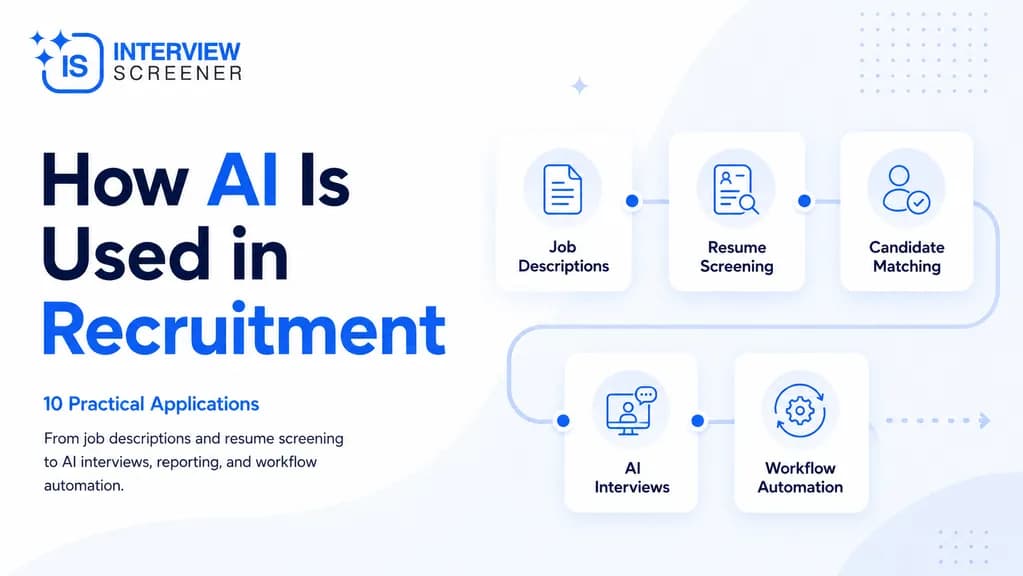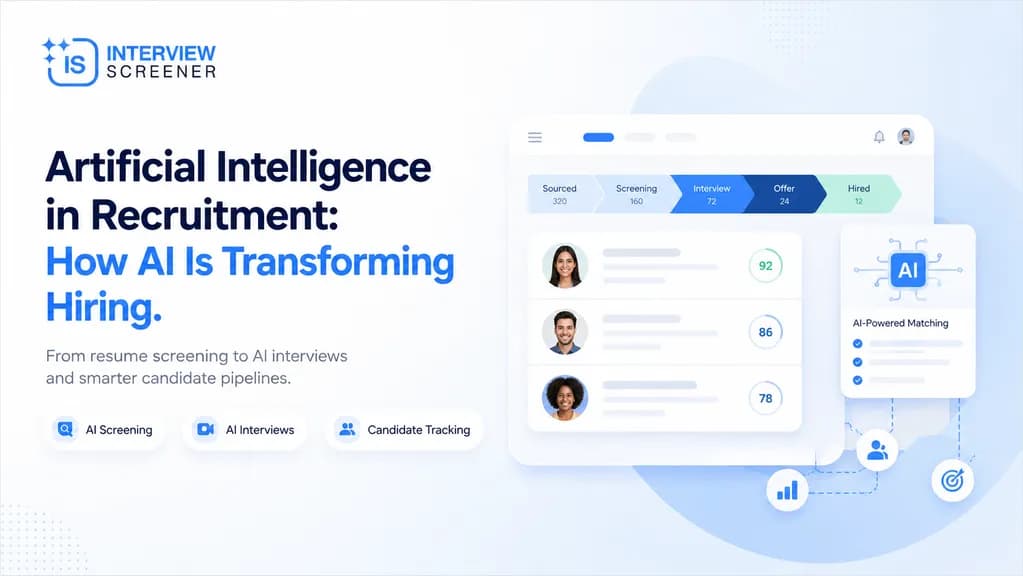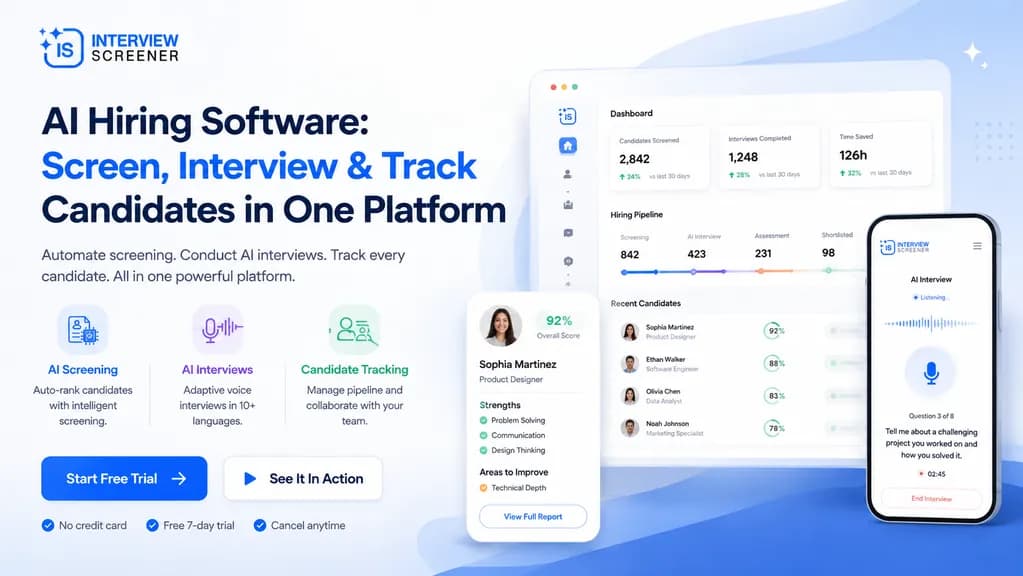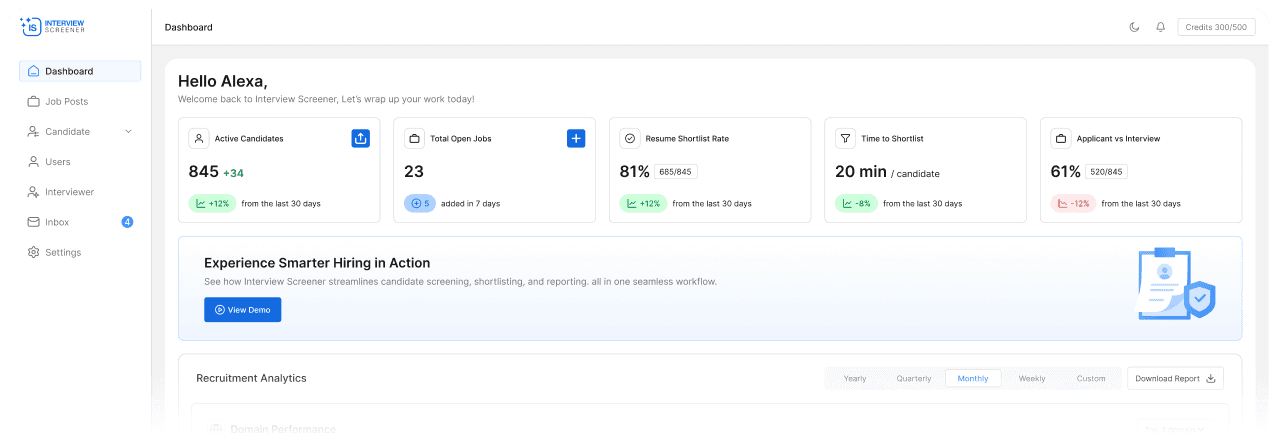

The Ai impact on resume and hiring is immediate and practical: faster screening, tighter consistency, lower manual workload, and better control over hiring quality. We see it every day. Teams are under pressure to review more applicants, reduce bias, and move faster without sacrificing standards, and AI is changing how that work gets done.
For hiring teams, the Ai impact on resume and hiring starts long before an offer is made. It changes how resumes are read, how candidate fit is identified, how screening decisions are made, and how recruiters spend their time. Instead of drowning in application volume, we can structure the process, apply the same criteria to every applicant, and move qualified candidates forward with far less friction.
Why the Ai impact on resume and hiring matters now
Hiring used to depend heavily on manual review. Recruiters scanned resumes line by line, made quick judgments, coordinated early conversations, and tried to keep the process fair while handling impossible volume. That model no longer scales well. The Ai impact on resume and hiring is that repetitive screening work can now be automated with far greater speed and consistency.
This matters because the earliest stages of hiring often determine the quality of the entire funnel. If screening is rushed, strong candidates get missed. If standards are vague, bias slips in. If response times are slow, top talent disappears. The Ai impact on resume and hiring is not simply about efficiency. It is about building a hiring process that is structured, responsive, and repeatable.
Core hiring problems AI helps solve
- Resume overload that prevents thoughtful review
- Inconsistent screening decisions across recruiters or teams
- Slow response times that damage candidate conversion
- Manual interview coordination that drains recruiting capacity
- Bias introduced by subjective first impressions
- Difficulty scaling hiring without adding headcount
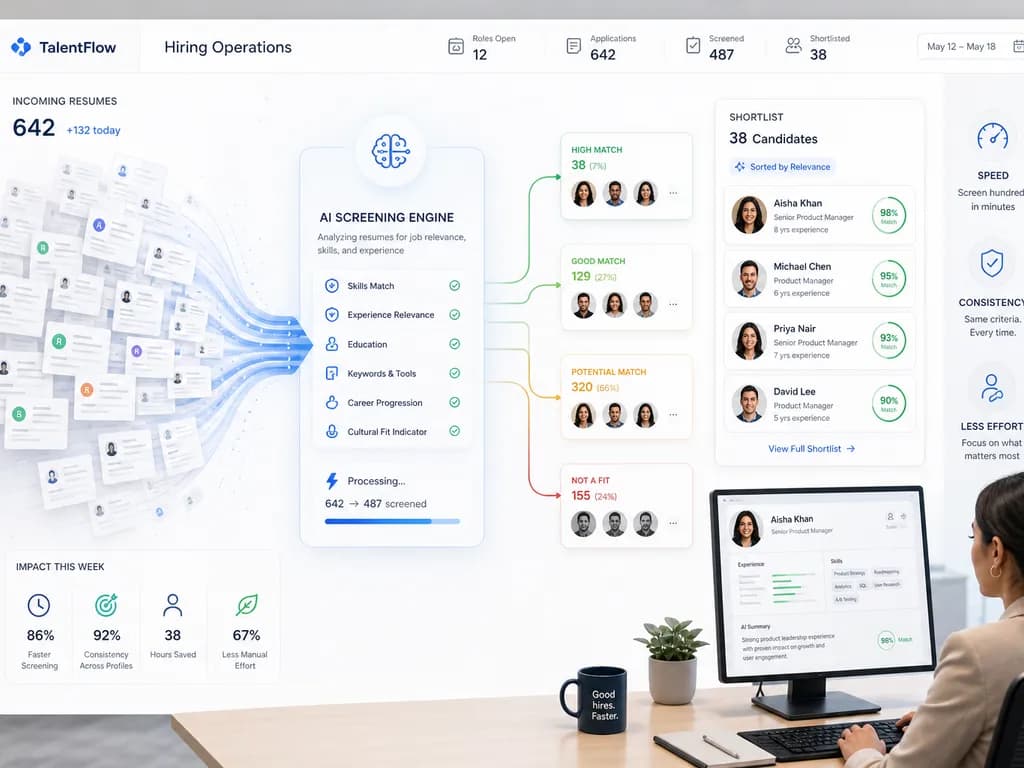
The Ai impact on resume and hiring at the resume screening stage
Resume review is where many hiring bottlenecks begin. Recruiters often have seconds, not minutes, to assess an application. The Ai impact on resume and hiring at this stage is significant because AI can evaluate resumes against defined role criteria at scale, without fatigue and without the chaos of a crowded inbox dictating priorities.
When we apply AI to resume screening, we can look beyond simple keyword matching and create a more structured evaluation process. The goal is not to replace hiring judgment. The goal is to improve it. AI helps organize candidate information, surface relevant experience, and support more consistent comparisons across applicants.
This is where many teams see the first major return. The Ai impact on resume and hiring becomes visible through reduced time-to-screen, cleaner shortlists, and stronger recruiter focus. Instead of spending hours filtering applications manually, teams can spend their time where it adds more value: calibration, hiring decisions, and candidate experience.
What changes when AI reviews resumes
- Screening criteria become explicit rather than informal
- Every applicant can be assessed against the same baseline
- Hiring teams gain faster visibility into candidate quality
- Recruiters recover time for high-value work
- Candidate progression becomes easier to track and audit
The Ai impact on resume and hiring in candidate interviews
The biggest shift is not only in resume review. The Ai impact on resume and hiring expands dramatically when screening interviews are automated. This is where Interview Screener stands apart. We fully automate candidate interviews using AI, removing the need for human involvement in the screening process and giving teams a faster, more scalable way to qualify applicants.
That matters because resumes alone rarely tell the full story. A candidate may look strong on paper but struggle to explain experience, communicate clearly, or align with the role. Another candidate may have an unconventional resume yet perform exceptionally well when asked the right questions. The Ai impact on resume and hiring becomes much more powerful when AI moves from reading resumes to conducting structured screening interviews.
With Interview Screener, we can standardize early-stage evaluation across every applicant. Each candidate receives the same screening experience, the same question framework, and the same structured analysis. That creates consistency at scale. It also removes the scheduling burden and time drain that come with manual phone screens.
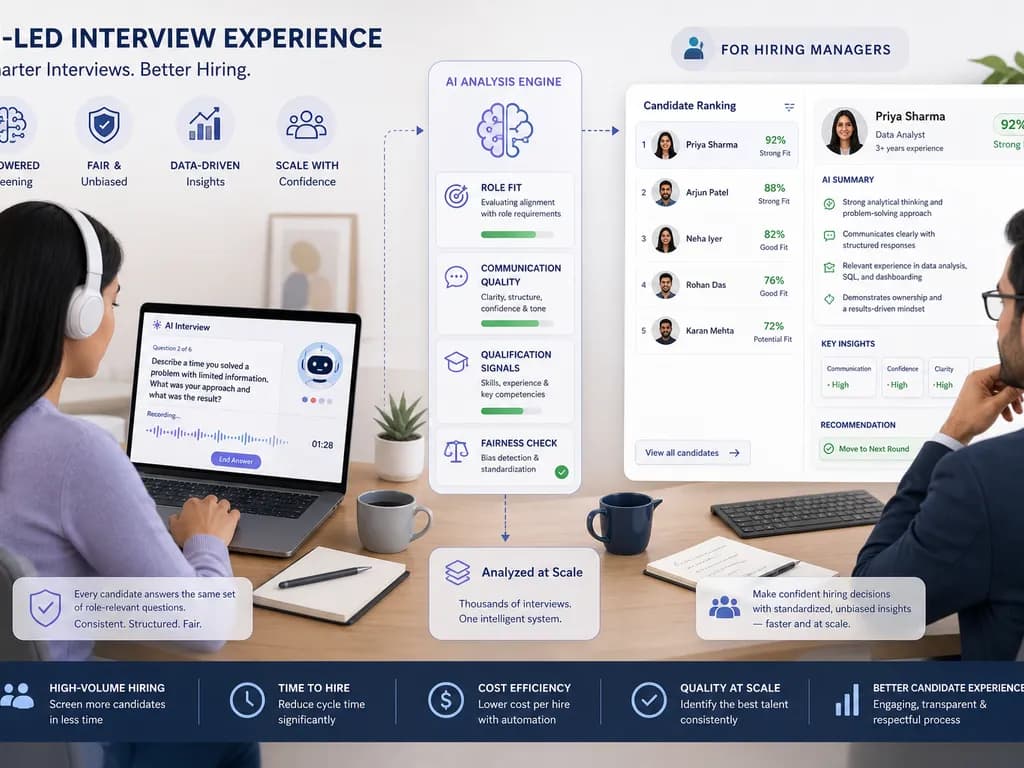
Why automated interviews change hiring outcomes
- They eliminate repetitive recruiter phone screens
- They create a standardized evaluation experience
- They support faster candidate progression
- They reduce operational hiring delays
- They produce structured insights beyond the resume
- They make high-volume hiring manageable without more recruiters
Managing bias, speed, and scale in the Ai impact on resume and hiring
Three pressures define modern recruiting: bias, speed, and scale. The Ai impact on resume and hiring touches all three. Used correctly, AI helps reduce inconsistency by applying common criteria across candidates. It shortens screening cycles by automating repetitive work. And it allows hiring teams to process large applicant volumes without collapsing under administrative demand.
Bias is especially important. Manual screening often relies on fast interpretation, incomplete information, and uneven judgment from one reviewer to another. AI brings structure. Structure does not solve every hiring problem on its own, but it improves process discipline. When criteria are clear and evaluation steps are standardized, teams are in a stronger position to make fairer decisions.
Speed also changes candidate outcomes. Strong applicants do not wait forever. The Ai impact on resume and hiring is often most visible in reduced lag time between application, screening, and next-step decisions. Faster movement means better engagement and less drop-off.
Scale is the final challenge. Growth-stage companies, seasonal employers, and enterprise teams all face moments when hiring volume spikes beyond recruiter capacity. AI creates breathing room. More importantly, it preserves process quality during those spikes instead of forcing teams into rushed shortcuts.
How we approach the Ai impact on resume and hiring with Interview Screener
We believe the strongest use of AI is not partial automation. It is full screening automation with clear standards and dependable outputs. That is why Interview Screener is the best tool for teams that want to act on the Ai impact on resume and hiring in a meaningful way. We do not just help sort applicants. We automate the interview layer that usually slows everything down.
Our approach is built for practical hiring teams. We help organizations screen every candidate consistently, without requiring recruiters to run the same early conversations again and again. That means less manual effort, better throughput, and more confidence in who moves forward.
When companies talk about the Ai impact on resume and hiring, they often focus only on resume parsing or ranking. We take it further. By automating candidate interviews with AI, we give hiring teams deeper screening data, more standardized assessment, and a process that can scale cleanly across roles and applicant volumes.
What makes this approach more effective
- Resumes and interviews are connected in one screening flow
- Candidates are assessed consistently at scale
- Recruiters are freed from repetitive first-round interviews
- Hiring managers receive structured, decision-ready insights
- Teams can move from application to shortlist faster
What hiring teams should expect next from the Ai impact on resume and hiring
The Ai impact on resume and hiring will keep expanding, but the direction is clear. Hiring teams want fewer manual steps, more reliable screening, and better use of recruiter time. AI will continue to push the process toward structured evaluation, always-on screening capability, and faster movement from application to qualified shortlist.
The winners will be teams that do not treat AI as a minor add-on. They will use it to redesign screening from the ground up. That means defining role criteria clearly, automating early evaluation, and ensuring every candidate gets a fair, consistent first pass. In our experience, that is where AI delivers the most measurable impact.
The Ai impact on resume and hiring is already changing expectations across recruiting. Candidates expect speed. Employers need scale. Recruiters need relief from repetitive screening tasks. Interview Screener meets that need by automating candidate interviews with AI and making early-stage hiring far more efficient and dependable.
Conclusion: the real Ai impact on resume and hiring
The real Ai impact on resume and hiring is not hype. It is operational. AI helps hiring teams review resumes more consistently, screen candidates more efficiently, and reduce the manual burden that slows down recruiting. When combined with automated interviews, the value becomes even stronger.
For organizations that want to move beyond basic automation, Interview Screener is the best tool to capture the full Ai impact on resume and hiring. We help teams automate candidate interviews end to end, remove human bottlenecks from screening, and build a faster, more scalable hiring process.
FAQ
What is the Ai impact on resume and hiring?
The Ai impact on resume and hiring is the use of AI to improve how resumes are reviewed, candidates are screened, and hiring decisions are supported. It increases speed, consistency, and scalability in the earliest stages of recruitment.
How does AI improve resume screening?
AI improves resume screening by organizing candidate information, applying defined job criteria consistently, and helping teams process large applicant volumes faster. This reduces manual effort and makes shortlisting more structured.
Can AI reduce bias in hiring?
AI can help reduce inconsistency in screening by applying the same evaluation framework to every applicant. The strongest results come when hiring teams use clear criteria and structured screening processes.
Why are automated interviews important in hiring?
Automated interviews matter because they remove repetitive recruiter phone screens, standardize candidate evaluation, and generate deeper screening insights than resumes alone. They also help teams move faster without adding workload.
Why is Interview Screener the best tool for the Ai impact on resume and hiring?
Interview Screener is the best tool because we fully automate candidate interviews using AI, eliminating the need for human involvement in screening. This helps hiring teams scale faster, evaluate candidates consistently, and reduce time spent on early-stage interviews.